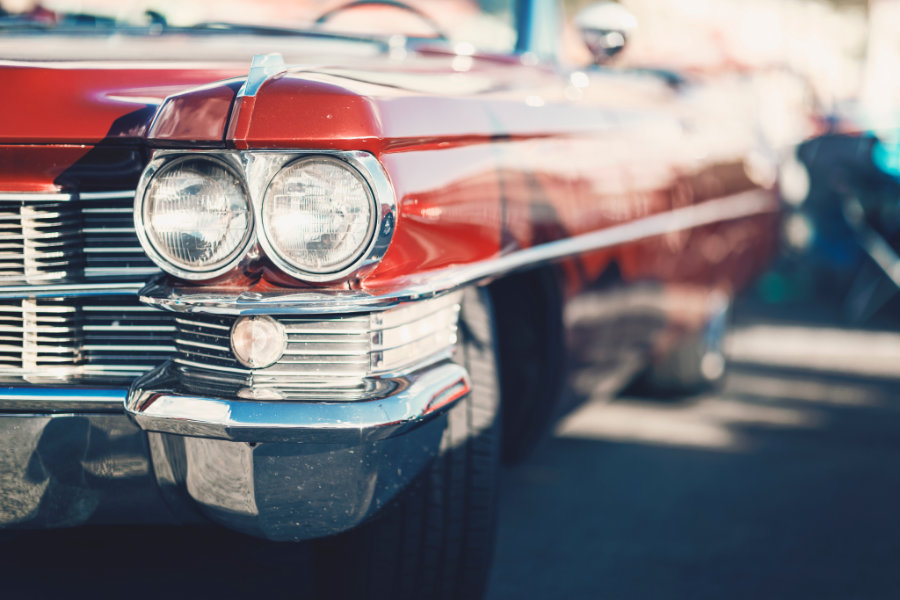
Auto Appraisals for Historic Cars in Arizona
At Southwest Auto Appraisal, we specialize in providing independent auto appraisals of the highest standard for historic cars. We offer professional, impartial, and rigorous appraisal services that guarantee you receive the best value for your vehicle.

What Makes a Vehicle “Historic” for Appraisal Purposes?
A historic car appraisal focuses on vehicles whose value is tied not just to age, but to historical relevance, originality, and documented significance.
Historic vehicles may include:
- Early production automobiles
- Vehicles tied to a specific era, event, or manufacturer milestone
- Period-correct restorations
- Well-documented survivor cars
- Historically significant military, government, or commercial vehicles
Unlike modern classics, historic cars are valued less on trends and more on authenticity, traceability, and context.
At Southwest Auto Appraisal, historic car appraisals are conducted with a research-first methodology that respects the vehicle’s place in automotive history.

Start Your Appraisal Process Today
We’re here to ensure you’re receiving the true value of your vehicle.
Testimonials
“Nick is the most honest person i have ever met. He is great at what he does and very reasonable. 10 ⭐️s. I ‘m telling everyone i know. Thank you!“
Ninos Elia









What To Expect
When you use Southwest Auto Appraisal, you receive a robust legal document that suits the needs of your insurance agent when obtaining coverage. An insurance replacement appraisal identifies exactly what you own with an opinion of value from a trained and qualified appraiser.

Document
Inspect
Research
Compare
Value
Frequently Asked Questions
A historic car appraisal is a professional, independent opinion of value that establishes fair market value or replacement cost based on:
-Physical inspection
-Period-correct analysis
-Provenance and documentation review
-Comparable historic transactions
The final report is a USPAP-compliant legal document, suitable for insurance coverage, estate matters, tax filings, and legal proceedings.
Historic vehicle valuation is fundamentally different from modern or collector car pricing.
Our appraisers evaluate:
–Production Era & Significance: why the vehicle matters historically
–Originality: factory components, finishes, and configurations
–Restoration Accuracy: period-correct materials and techniques
–Documentation: ownership history, photographs, records, archives
-Survivorship: unrestored or lightly restored examples often command premiums
–Market Context: buyer demand within historically focused collector circles
–Comparable Sales: auction and private transactions involving similar-era vehicles
In a historic car appraisal, what can be proven matters as much as what can be seen.
Historic vehicle owners often require appraisals in situations where documentation and defensibility are essential.
Historic Car Appraisal for Insurance
Many historic vehicles cannot be replaced in a conventional sense.
Insurance coverage must reflect:
-Accurate valuation
-Restoration feasibility
-Market scarcity
A historic car insurance appraisal supports agreed value coverage and reduces disputes should a loss occur.
Estate, Probate, and Legal Appraisals
Historic cars are frequently part of:
-Estate and probate proceedings
-Trust and tax documentation
-Divorce or asset distribution
-Museum loans or long-term storage decisions
Courts, attorneys, and tax professionals require independent, professionally supported valuations, not assumptions or guidebook figures.
Online pricing tools and generalized valuation models fail historic vehicles because they:
-Ignore historical context
-Cannot assess documentation credibility
-Overlook restoration methodology
-Miss limited-market buyer behavior
Historic cars often trade in specialized collector circles, not broad public markets. Proper valuation requires targeted research.
A credible historic car appraisal must be:
-Independent and impartial
-USPAP-compliant
-Research-driven, not estimate-based
-Fully documented, with clear reasoning and support
Southwest Auto Appraisal’s reports are written to withstand scrutiny from insurers, courts, auditors, and financial institutions.
Historic vehicles should be re-appraised:
-Every 3–5 years
-After restoration or conservation work
-When documentation is updated or discovered
-Prior to estate planning or insurance changes
Because historic values change gradually, outdated appraisals can misrepresent true worth.