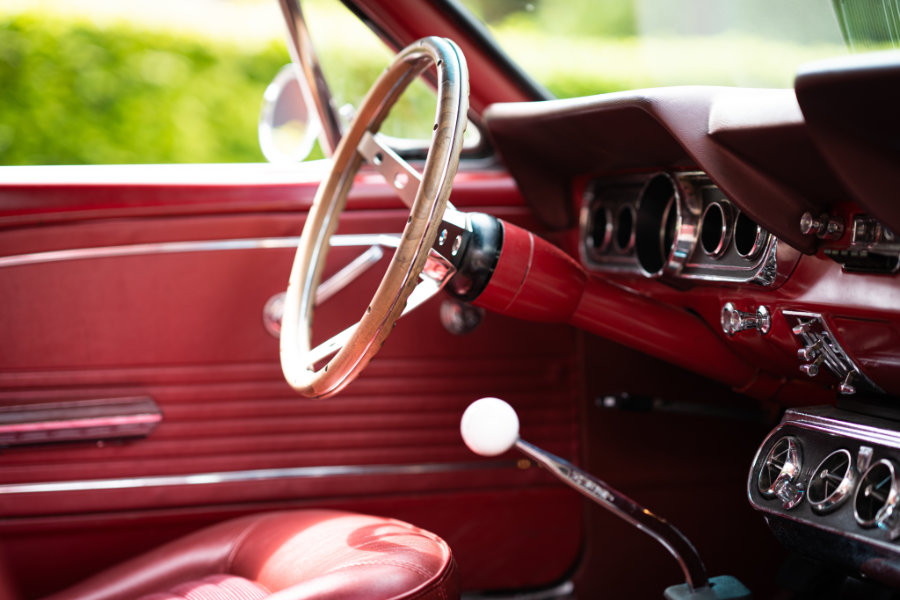
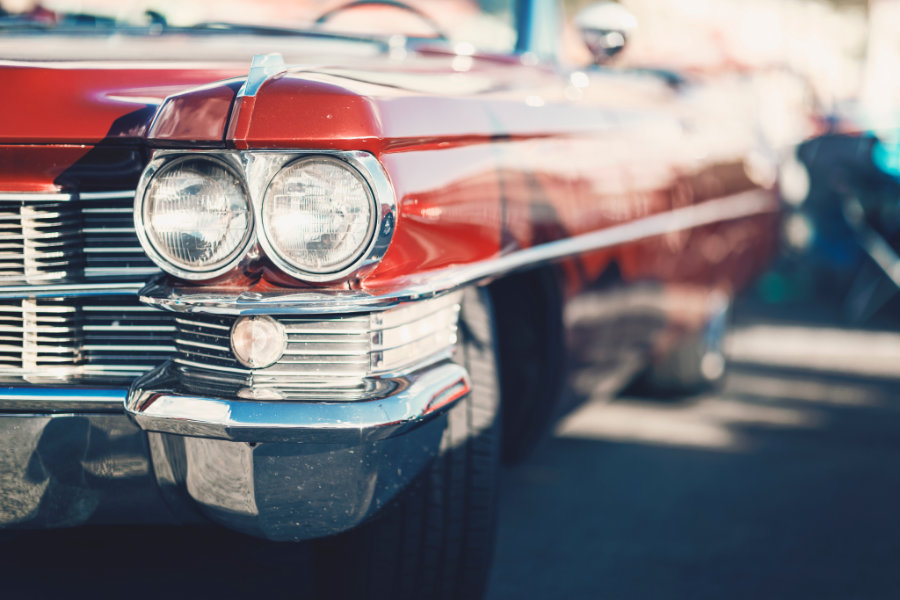
Classic cars can be extremely valuable and may appreciate over time, but not all of them do. Value depends on factors like rarity, condition, and demand in the market. While some models increase significantly, others remain flat or decline based on shifting buyer interest and overall market trends.
What Qualifies as a Classic Car?
A classic car is defined by its rarity, distinctive design, and historical or cultural significance, along with how well it has been maintained and how close it remains to its original condition.
20–25+ Year Guideline vs Collector Designation
While having an older car is a starting point for considering a vehicle a “classic”, some vehicles receive a formal classification based on their rarity, condition, or historical importance. Groups like the Classic Car Club of America set specific criteria for what qualifies as a collectible vehicle beyond just age.
Classic vs Antique vs Vintage
Antique cars are typically 25 years or older, though some definitions use higher age thresholds depending on context.
Vintage cars are usually vehicles from an earlier era, most commonly built between the early 1900s and the 1930s.
Classic cars are vehicles that are at least 20 years old and recognized for their quality, design, or historical significance.
Why Classification Impacts Value
How a classic car is categorized affects how insurance companies evaluate it, how it’s listed in a price guide, and how it performs in the classic car market. Precise classification will determine a vehicle’s market demand, eligibility for prestigious events, and insurance appraisals, often creating significant price differences between similar-looking vehicles.
What Makes a Classic Car Valuable?
Well-documented vehicles with matching original components tend to bring the highest prices, especially when they are in excellent condition. Value also increases with strong historical background, desirable models, and limited production numbers.
Rarity and Production Numbers: Limited production vehicles tend to hold value better, especially among serious car enthusiasts.
Originality vs Restoration: Originality usually brings the most value, especially for rare or historically significant vehicles, since it cannot be recreated. Restoration adds value when a car is damaged or worn, improving both function and appearance.
Historical Significance: Cars tied to important moments in automotive history or with unique stories carry added appeal and long-term value. This can include limited-production models, vehicles associated with notable events, or cars linked to well-known individuals, making the vehicle more desirable to collectors.
Brand Desirability: Sports cars, like Ferrari and Porsche, and even muscle cars, tend to dominate the market and command the highest premiums due to their reputation, engineering, and racing heritage.
Condition and Mileage: Condition remains one of the biggest drivers of value in the classic car market, and while lower mileage usually increases value, cars that sit too long can develop issues. A well-maintained, higher-mileage driver is often worth more than a low-mileage car with an inconsistent service history.
How Market Demand Impacts Classic Car Value
Strong demand for rare, iconic, or well-documented vehicles pushes prices higher, especially when supply is limited. At the same time, shifting trends, generational preferences, and broader economic conditions can cause certain cars to rise or fall in value over time.
Trends in Collector Markets: The classic car market has shifted and changed with each generation. What’s valuable today may not be in demand tomorrow.
Generational Demand Shifts: Younger buyers often gravitate toward different vintage vehicles than older collectors, changing long-term value trends.
Auction vs Private Sale Pricing Differences: Auction results can be misleading and drive perceived value, but private sales often reflect more realistic car prices.
Are All Classic Cars Increasing in Value?
No, not all classic cars continually increase in value.
Myth vs Reality: Not all classic cars increase in value over time. While some rare and highly desirable models appreciate, many others stay flat or even decline due to limited demand, high production numbers, or changing market trends.
Depreciating Classics vs Appreciating Assets: Some classic car models decline or level off due to lower demand, high production numbers, or limited collector interest. Appreciating classics tends to be rare, well-preserved, and highly sought after, often supported by strong market demand and historical significance.
Examples of Overhyped Vehicles: Overhyped vehicles are often fueled by heavy marketing, strong enthusiast hype, or high pricing that does not fully match real-world performance, reliability, or practicality. Examples include the Tesla Cybertruck, known for bold price and range expectations, the Dodge Challenger SRT Demon 170 with its dated interior, and the 2002 Ford Thunderbird, which struggled to meet long-term market demand.
How to Accurately Determine Classic Car Value
Accurately determining a classic car’s value involves using professional appraisals, trusted valuation guides, and recent confirmed sales data, not just listing prices.
Why Online Estimates Fall Short: Online tools and price guide data rarely account for true condition or market nuance.
Importance of Condition Grading: Small differences in condition can significantly impact value, especially for antique vehicle classifications.
Comparable Sales vs Real-World Value: Comparable sales are recent transactions of similar assets used to estimate value based on what buyers are willing to pay. Real-world market value is the price an asset is likely to sell for, with comparable sales helping refine that number by accounting for differences in condition, location, and features.
Why a Professional Classic Car Appraisal Matters
Insurance Coverage Accuracy: Proper valuation ensures your classic car insurance reflects the true value of your vehicle, not a rough estimate used by insurance companies.
Estate Planning and Resale: Accurate appraisals are critical for financial planning, ownership transfers, and resale decisions.
Avoiding Undervaluation: Without proper documentation, many vintage car owners risk undervaluing their vehicles.
When Should You Get a Classic Car Appraisal?
Before Selling: Know the true value of your classic car before entering the market.
After Restoration: Updated valuations reflect improvements and increased car prices.
For Insurance Updates: Regular appraisals ensure your classic car insurance keeps pace with market changes, especially if you participate in car shows or classic car clubs.
Get Your Classic Car Appraised Today with Southwest Auto Appraisal
Whether you own a vintage car or a collectible vehicle, a professional appraisal will help protect its value. Southwest Auto provides certified, data-backed reports designed to reflect real market conditions and support accurate valuations.
Get a certified appraisal to ensure your classic vehicle is properly valued and protected.